
Storytelling as a Framework for Learning Design


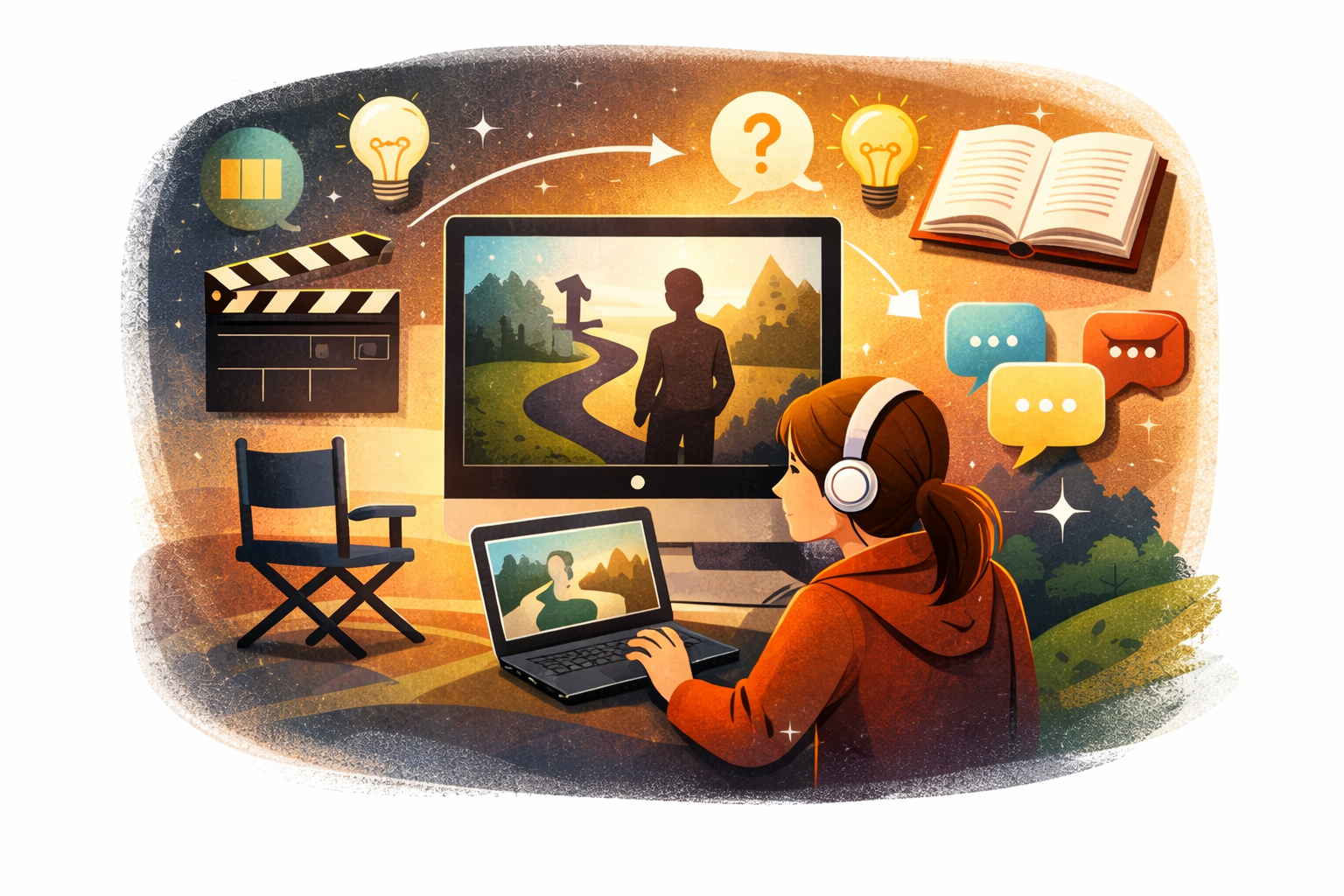
When I worked as a filmmaker, my job was to tell stories that moved people. A successful film does more than present information. It creates tension, invites identification, raises questions, and leaves the audience changed in some small but lasting way.
That mindset still shapes how I design learning experiences today.
Why Storytelling Matters in Learning
Stories are how humans make sense of the world. We remember narratives far longer than isolated facts, especially when those narratives create emotional connection and relevance.
In learning design, storytelling helps by:
- Anchoring content emotionally so learners care
- Providing context that makes abstract concepts meaningful
- Creating structure through a clear beginning, middle, and end
- Sustaining curiosity through tension, uncertainty, and choice
Brightspace is particularly well suited for this approach. Its modular design, multimedia tools, and conditional release features naturally support narrative-driven learning experiences.
What Filmmaking and Scriptwriting Teach Us About Learning Design
Every compelling story starts with a protagonist. In learning, the learner should always fill that role. Courses become more engaging when they reflect real learner identities, challenges, and goals, often through personas, recurring case studies, or authentic scenarios.
Stories also require conflict. Without a problem to solve, there is no reason to keep watching or learning. Effective courses introduce dilemmas, competing priorities, or gray areas that content helps learners navigate.
As stories unfold, stakes rise. In learning design, this might look like branching scenarios, release conditions, or decision points that shape what learners encounter next. Learners move from passive consumption to active participation.
Pacing matters as well. Films are built from scenes and beats, short, intentional moments that move the story forward. Learning content works best the same way. Breaking lessons into smaller, purposeful segments prevents overload and keeps momentum.
Finally, storytelling is multisensory and reflective. Thoughtful use of video, audio, visuals, discussion, and reflection allows learners to process meaning rather than simply receive information.
Practical Ways to Use Storytelling in Brightspace
You do not need to redesign an entire course to start using storytelling. Small shifts can make a big impact:
- Open modules with a narrative hook or real-world scenario
- Design units as episodes with a clear arc
- Use recurring case studies or characters
- Incorporate short, purposeful multimedia elements
- Build in reflection and discussion as part of the story
- Align all storytelling elements tightly to learning outcomes
Common Pitfalls to Avoid
Storytelling should support learning, not distract from it. High production value without relevance will not engage learners. Too much drama can obscure objectives. Overly complex narratives can increase cognitive load.
The key is balance. Purposeful stories designed for a specific audience and in service of clear outcomes are most effective.
Final Take
Storytelling is not a nice-to-have in learning design. It is a powerful strategy rooted in how people learn, remember, and care. Brightspace provides a rich stage for this work.
Let us move beyond simply delivering content. Let us design learning experiences that tell stories learners remember long after the course ends.
Want to Learn More?
Connect with your institute's D2L Customer Success Manager or Client Sales Executive, or reach out to the D2L Sales Team for more information about how Learning Services can support you on your learning journey.